


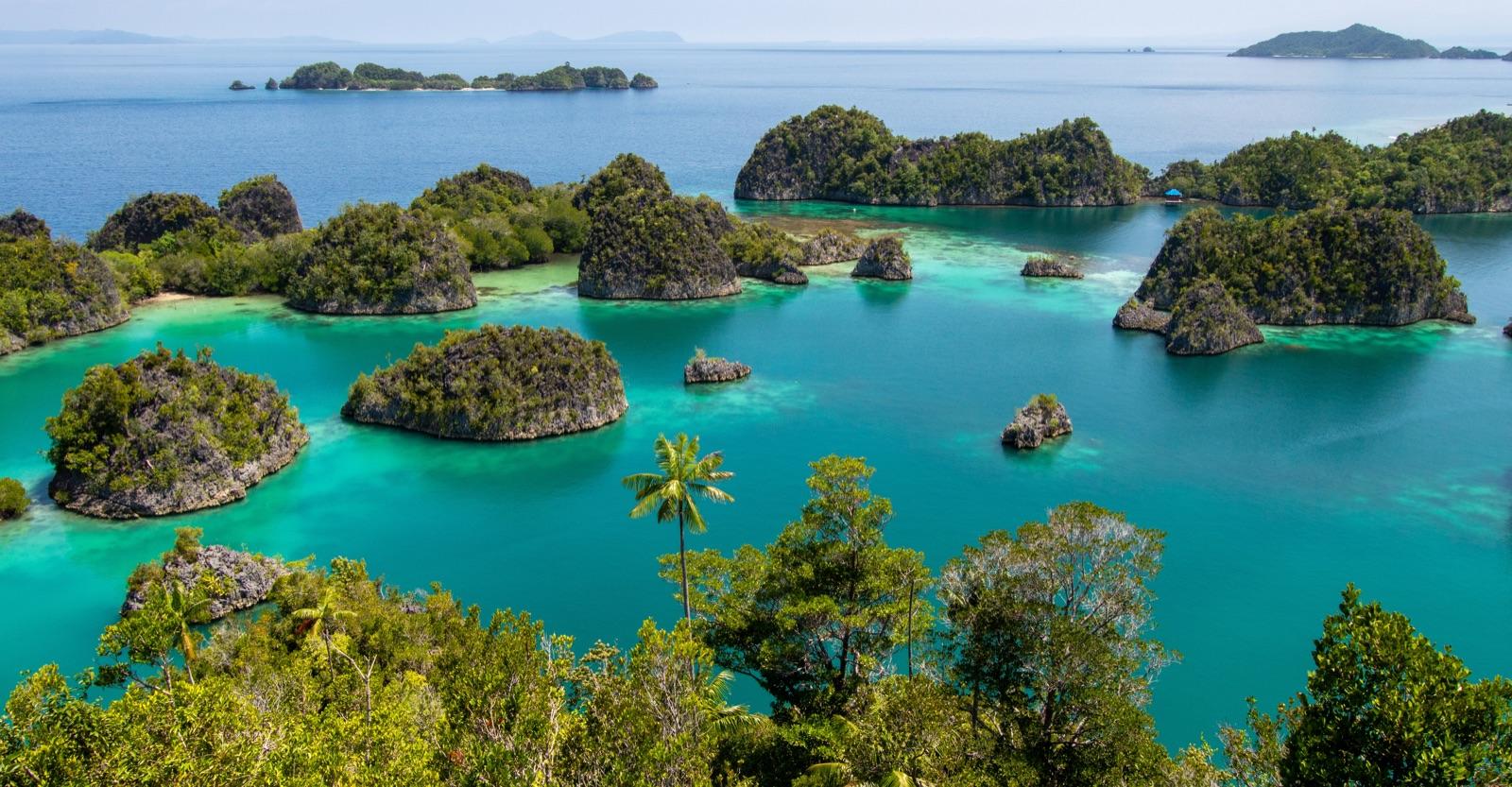
Seventeen Thousand Islands. Most of Them Still Undiscovered.
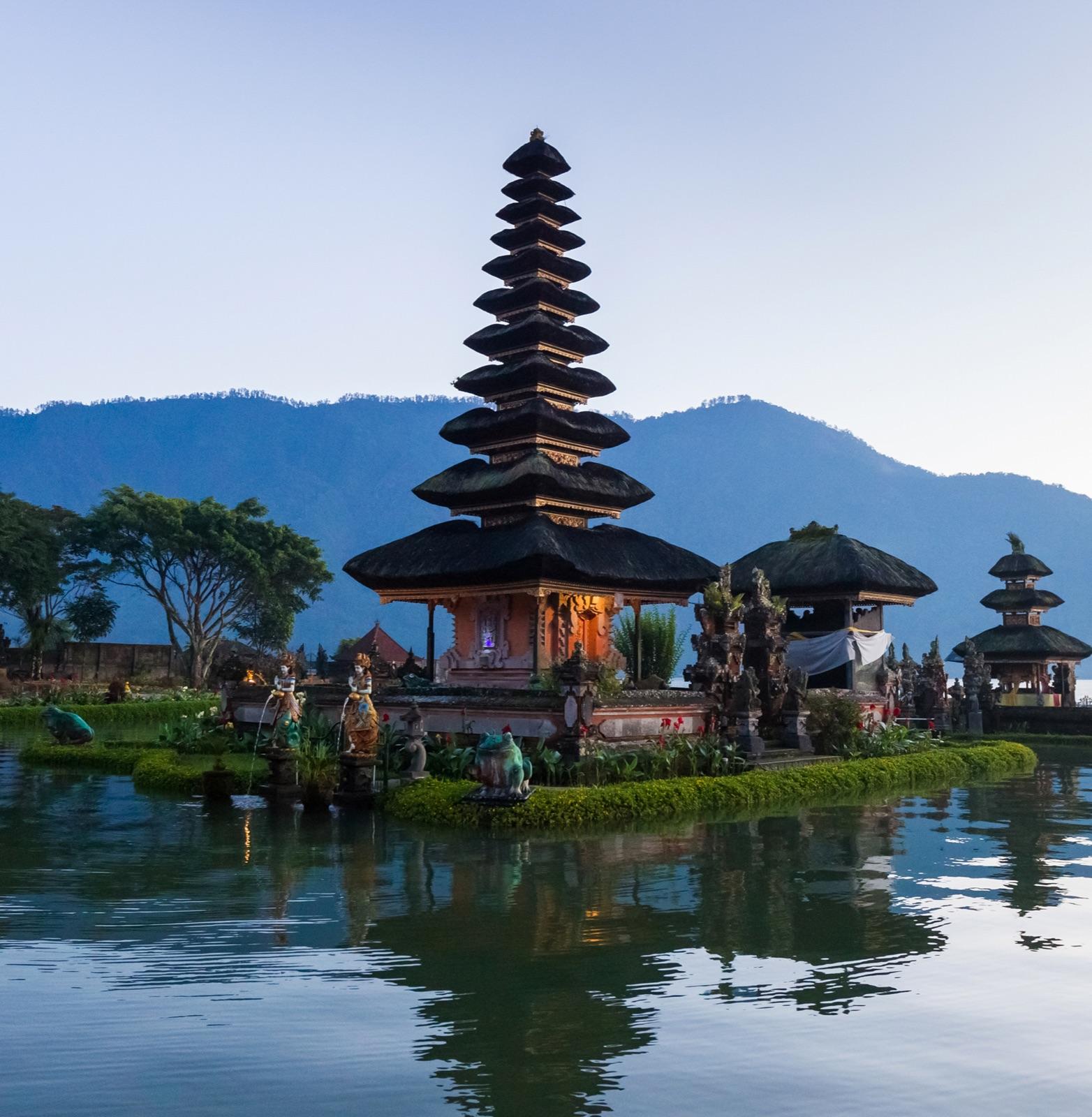
Indonesia is the largest archipelago on earth, stretching across 5,000 kilometres of the equatorial Pacific and Indian Oceans. It contains more active volcanoes, more endemic species and more cultural diversity within its borders than almost any country on earth. Most visitors see one island. The ones who come back have begun to understand that they have barely started.
Discover experiences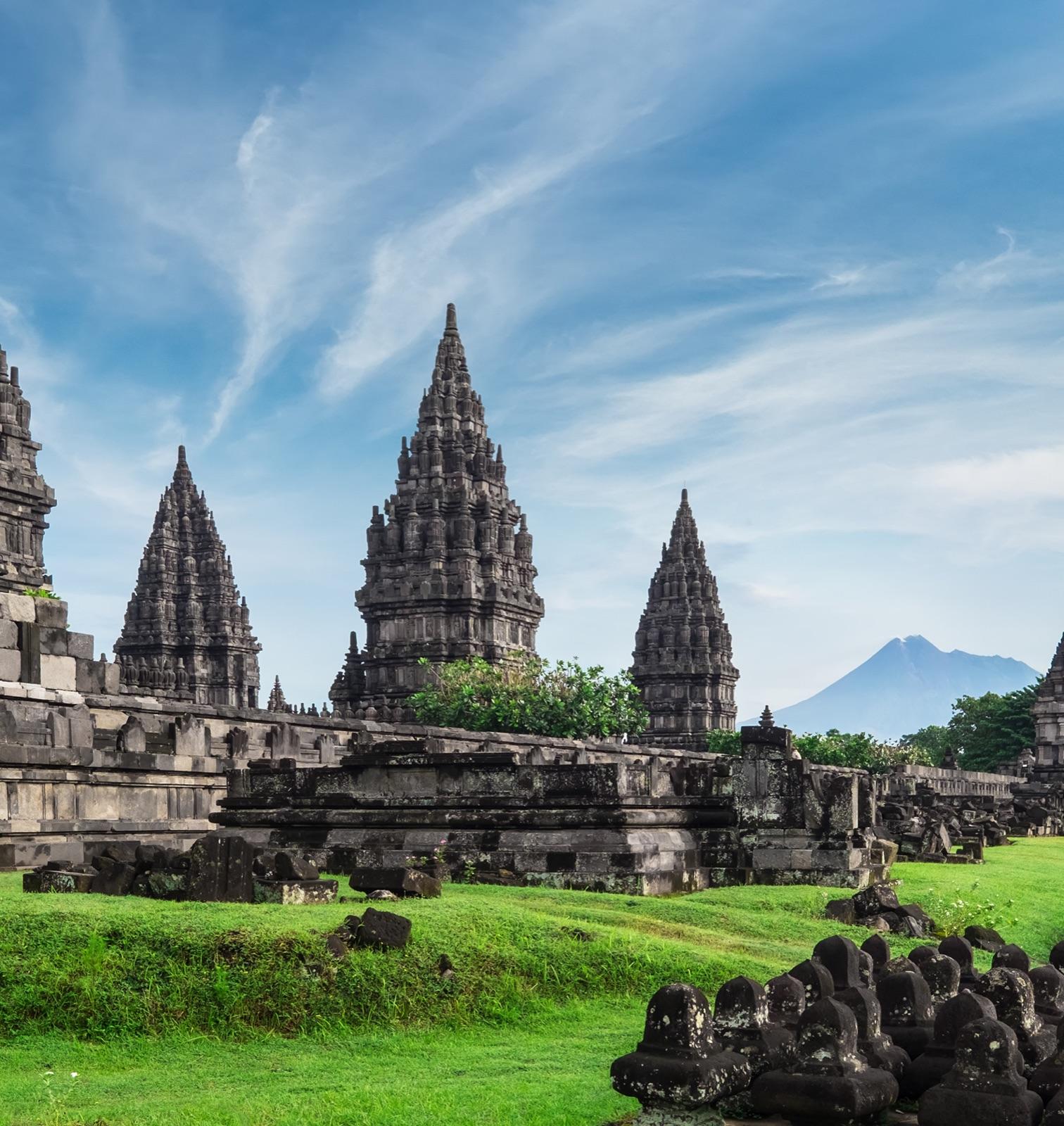
An Archipelago That Rewards Those Who Go Further
The country spans seventeen thousand islands across a geography so vast that the western tip of Sumatra and the eastern edge of Papua are as far apart as London and Tehran. Each island carries its own language, its own food, its own relationship to the sea and the land and the centuries of civilisation that have shaped it. To understand Indonesia properly is to move through it with time, care and a willingness to let each place speak in its own way.
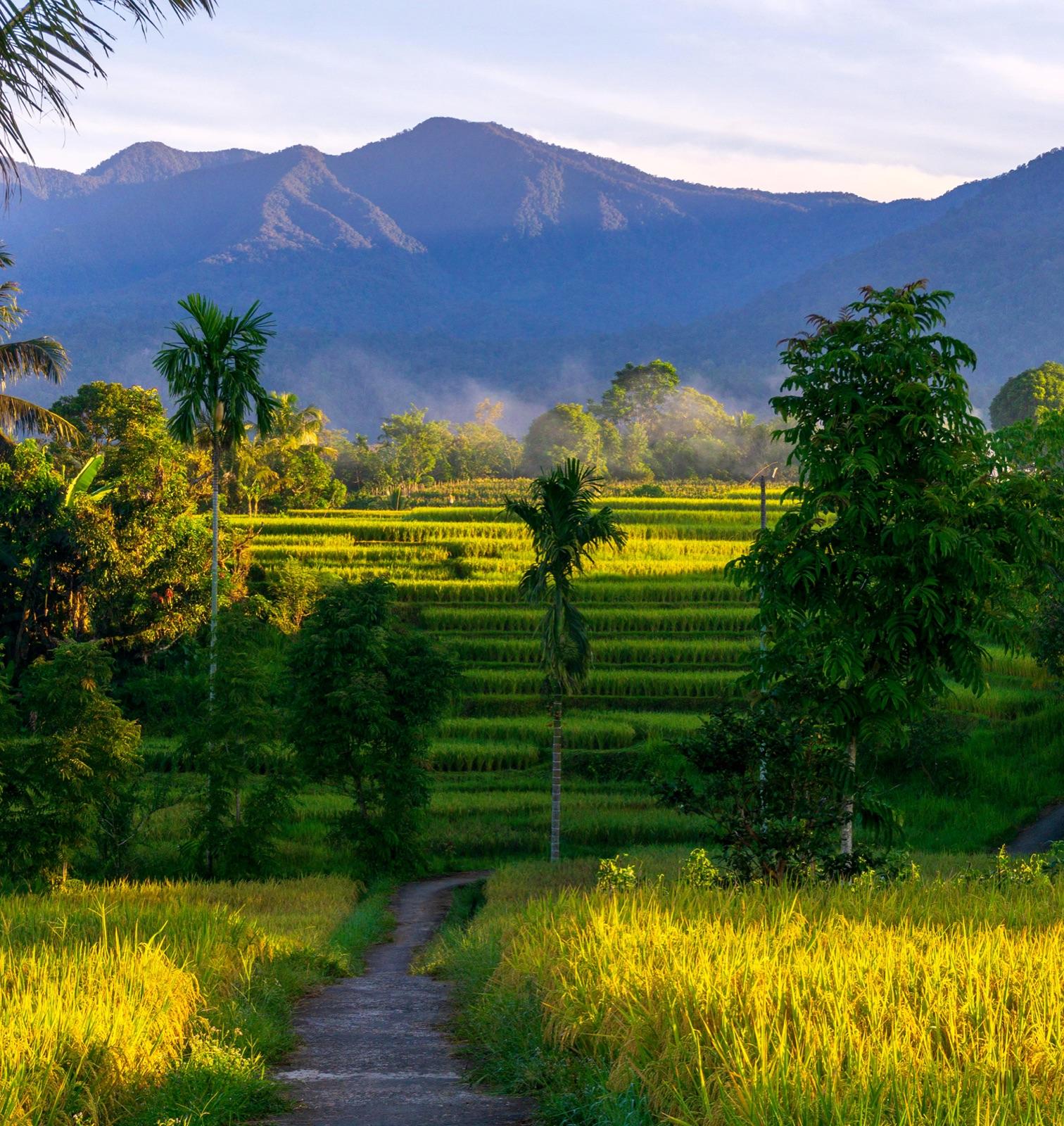
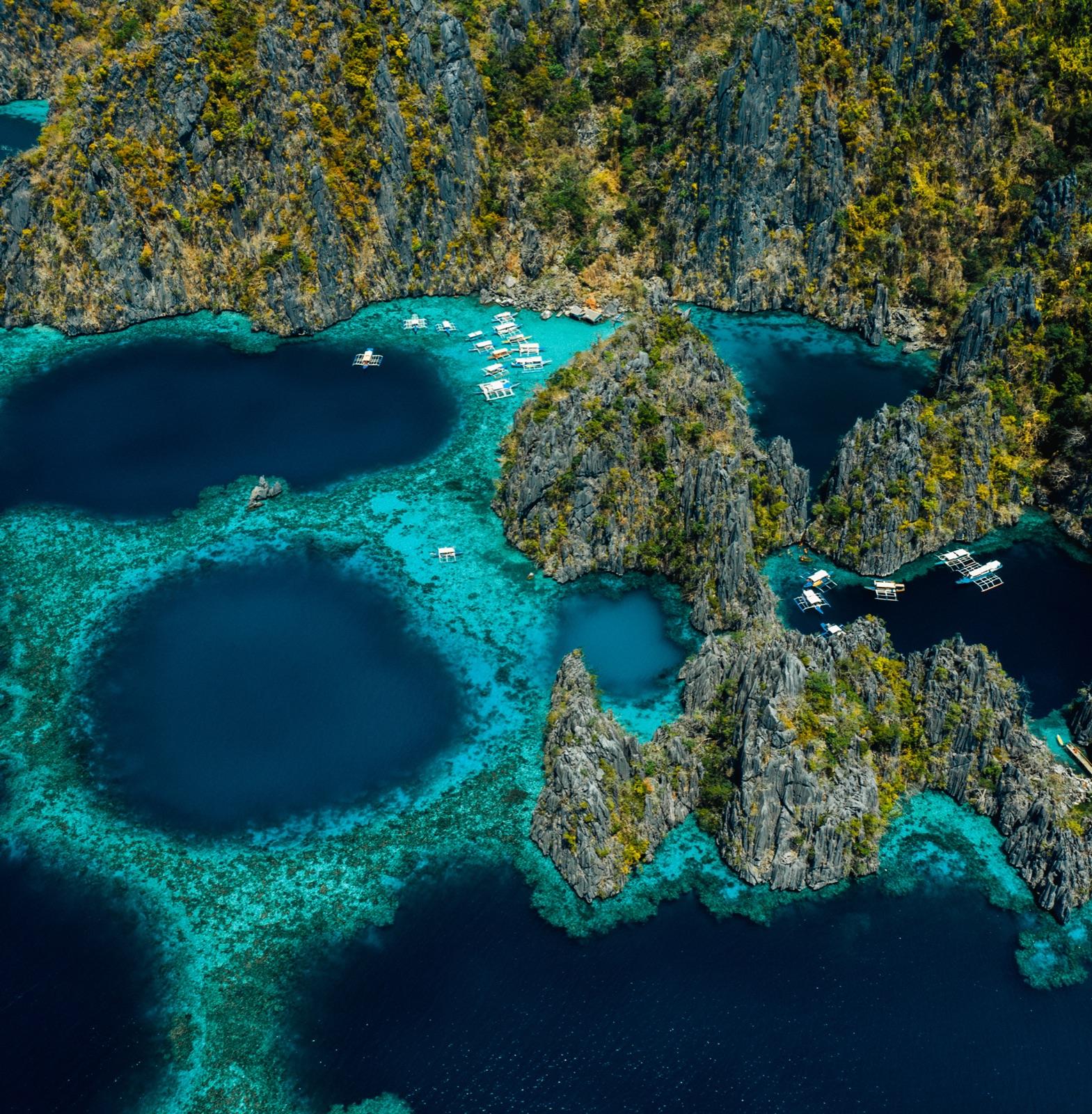
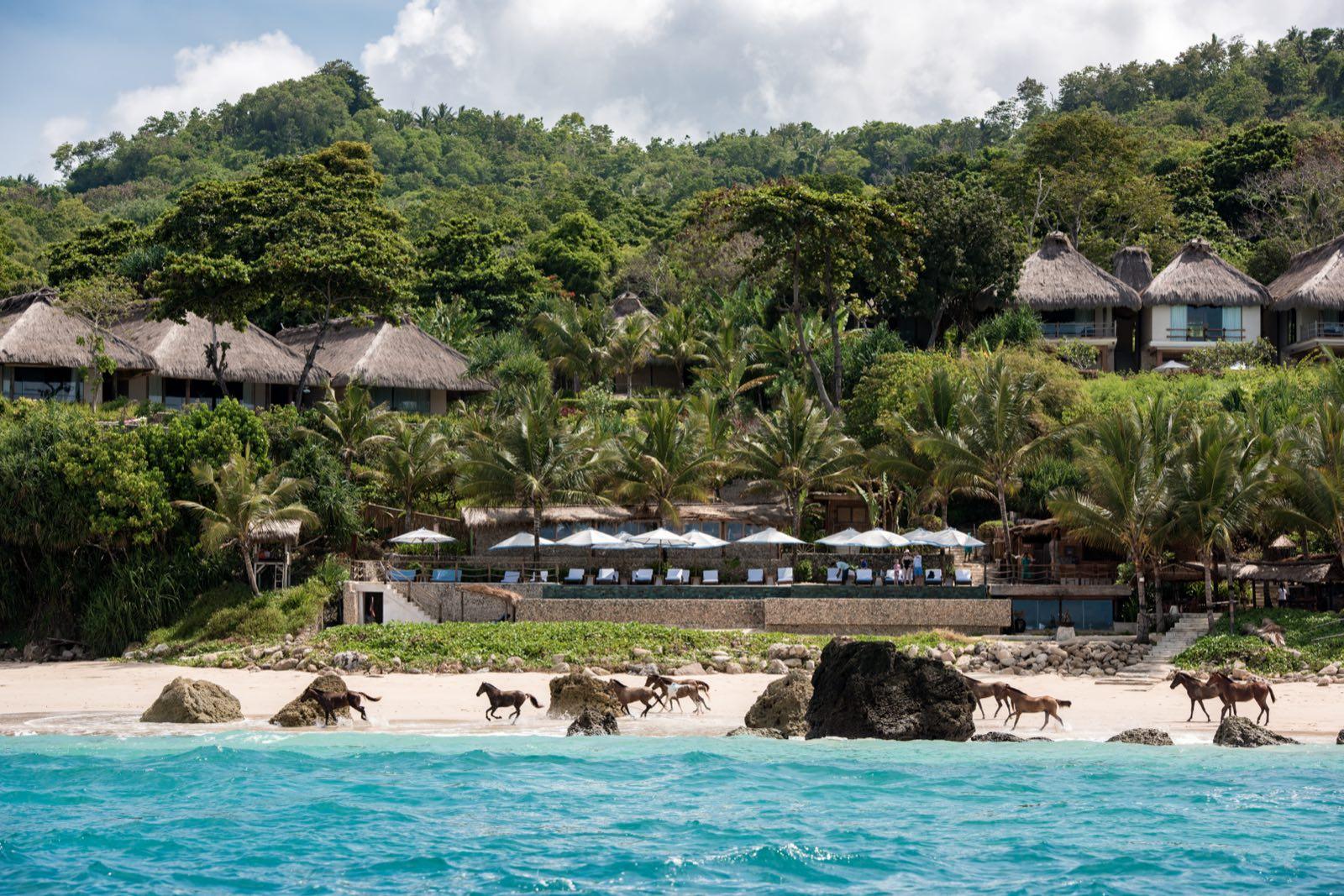
Bali earns its reputation. The rice terraces of Ubud, the temple ceremonies, the surf breaks of the Bukit Peninsula, the cooking that is unlike anything produced anywhere else in the region, all of it is real and all of it is worth experiencing properly. Yet the islands surrounding it reveal another side of the country. Komodo, where dragons the size of a man move through dry scrub above water that divers consider among the finest in the world. Sumba, where horses still run across clifftop savannah above beaches that have no infrastructure and receive almost no visitors. Raja Ampat in West Papua, where the marine biodiversity is the highest recorded anywhere on earth and the landscape above the water is its own kind of extraordinary.
The finest experiences in Indonesia depend on timing, sensitivity and a clear sense of place. The country is large enough and varied enough that the difference between a simple visit and an exceptional one is often found in the details, the right season, the right route and the moments most travellers never know to ask for.
Extraordinary Experiences Available on Request
Some of the most remarkable experiences we offer cannot be booked instantly, by their nature, they require a private conversation.
Discover experiences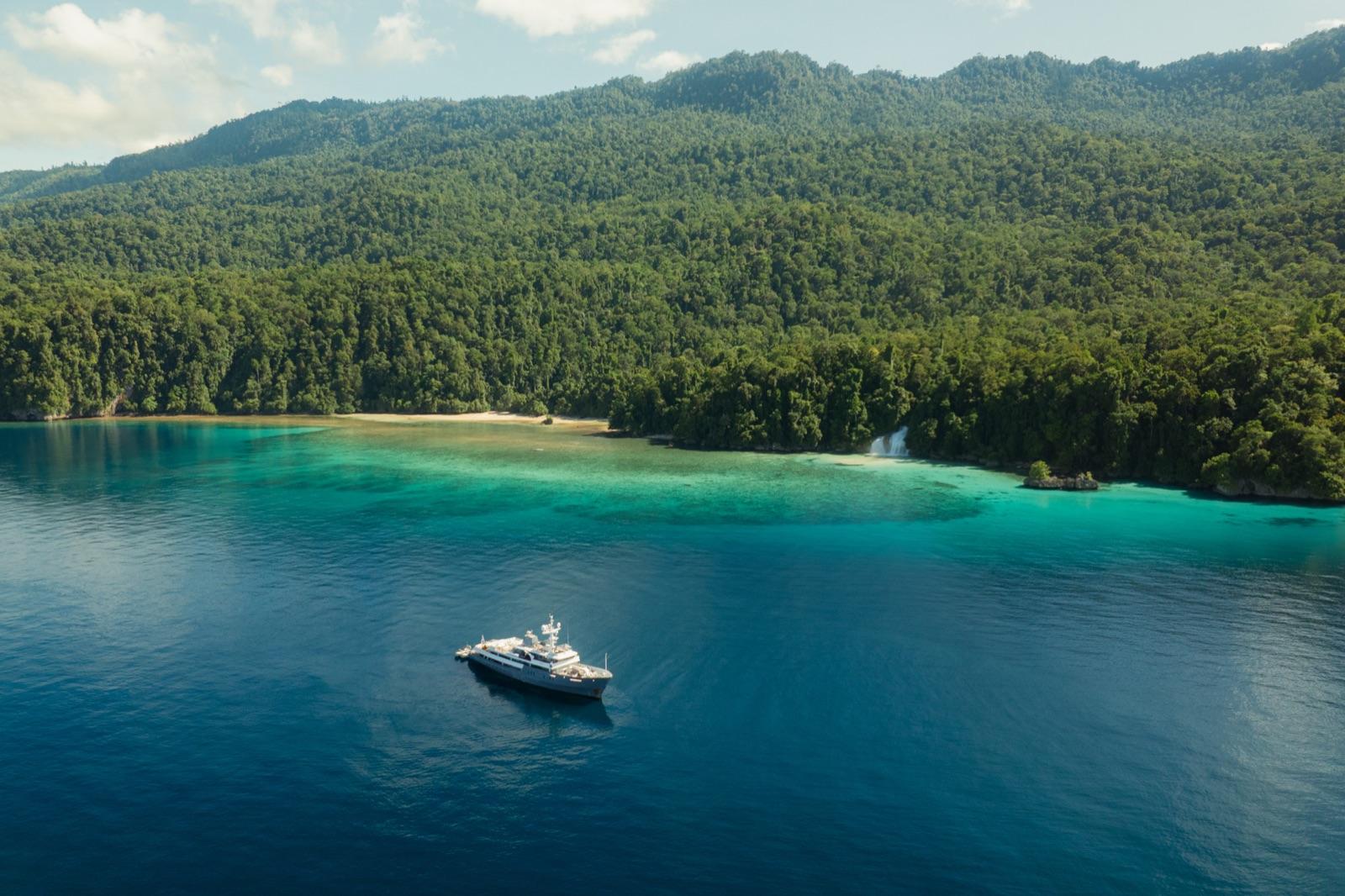
Yachting from the Spice Islands to Raja Ampat
Seven nights aboard the 30-guest explorer yacht Aqua Blu, privately chartered from Ambon to Sorong: the historic Spice Islands and Banda Neira's nutmeg forts, then Raja Ampat's reefs, mangroves, limestone islands and birds of paradise, all by private sea.
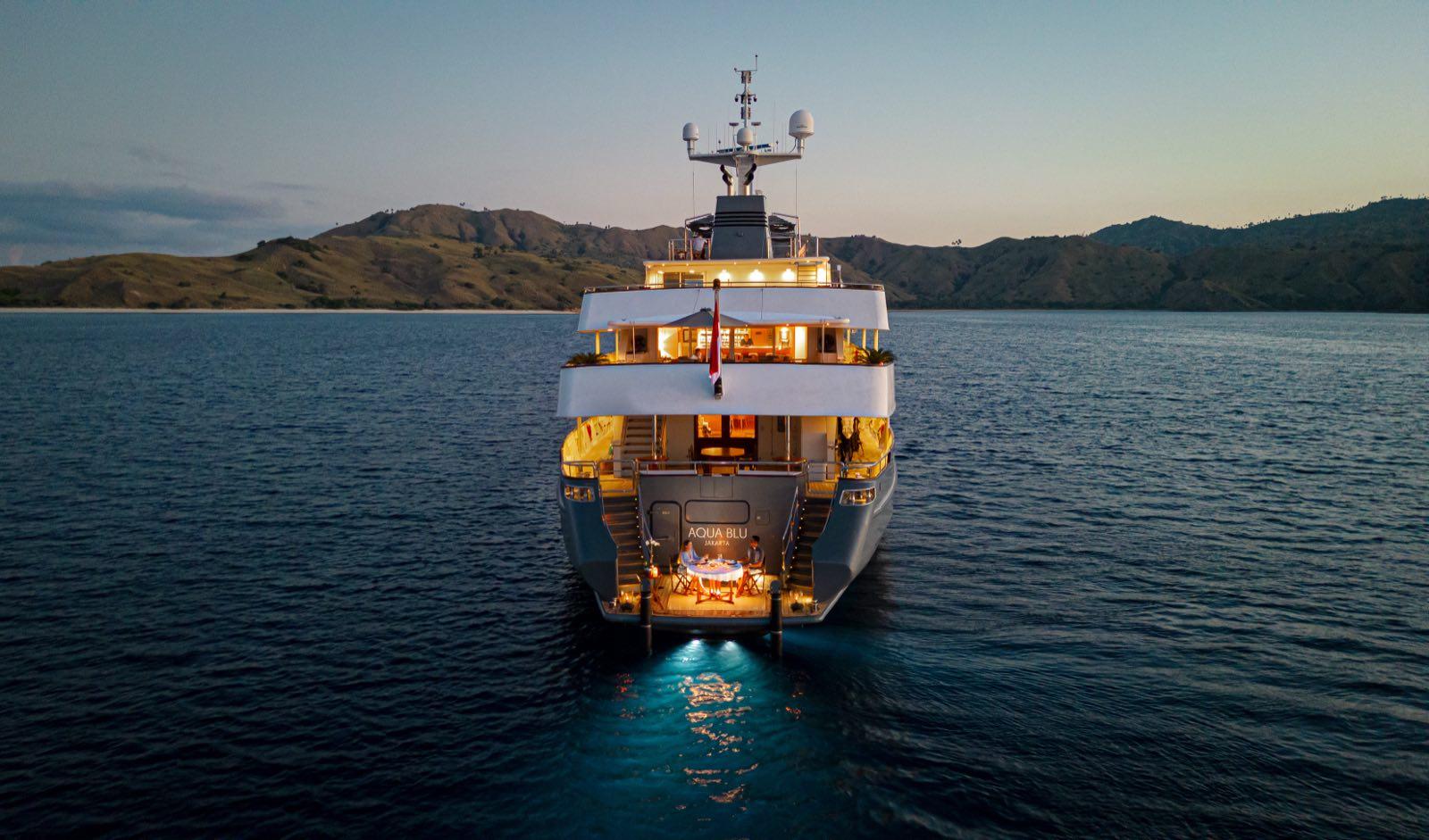
The Komodo Yacht Charter from Bali
Seven nights aboard the 30-guest explorer yacht Aqua Blu, privately chartered from Bali to Komodo: volcanic islands, Komodo dragons, manta rays, whale sharks, pink-sand beaches and coral reefs, all by private sea.
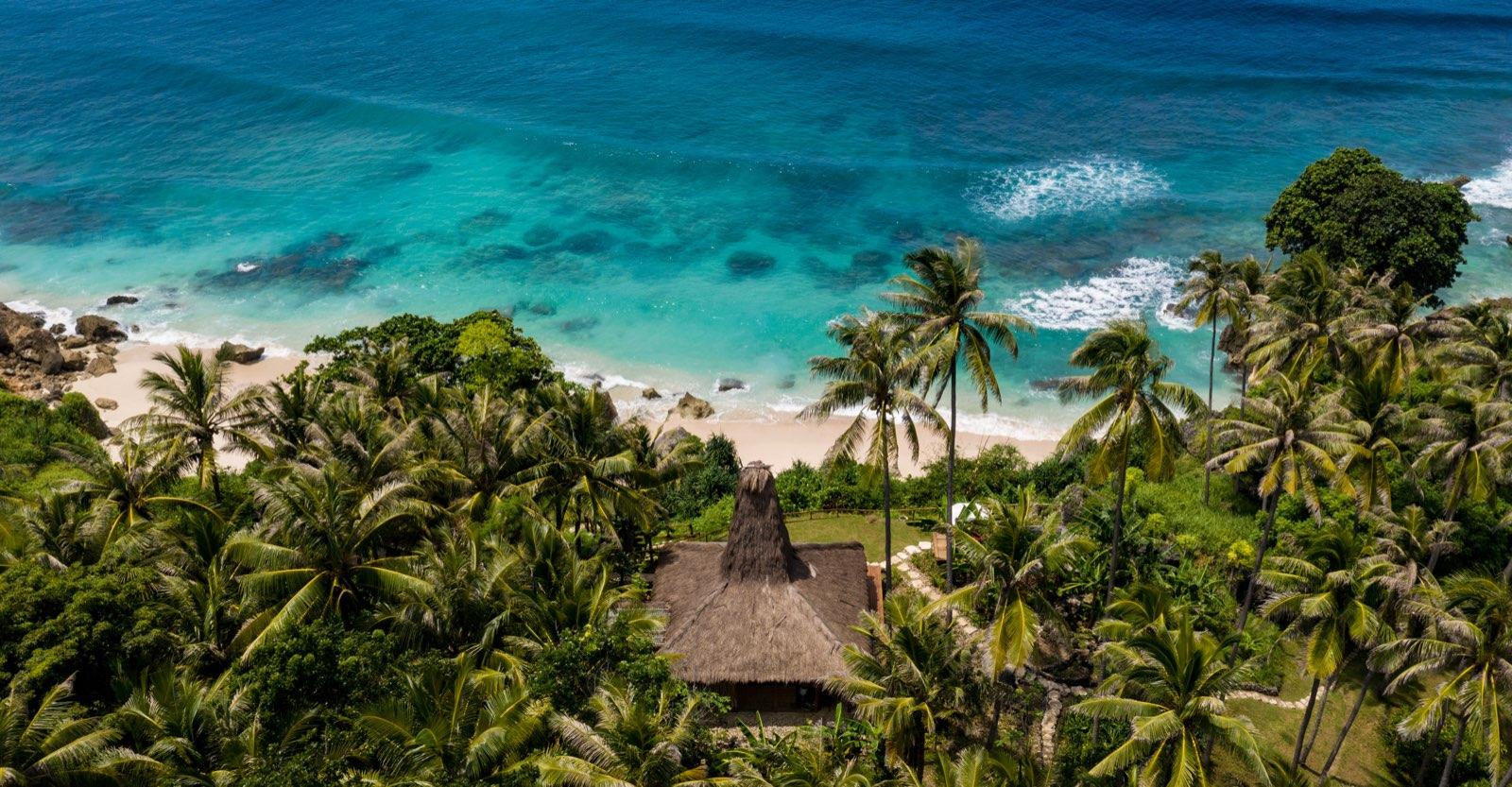
The Family Estate with the Horses of Nihi Sumba
An 8-night family journey at NIHI Sumba based at Wamoro Estate, a private two-villa home above the coast: Sandalwood horses, Wildlings, village life, weaving, waterfalls and the Spa Safari at Nihioka.
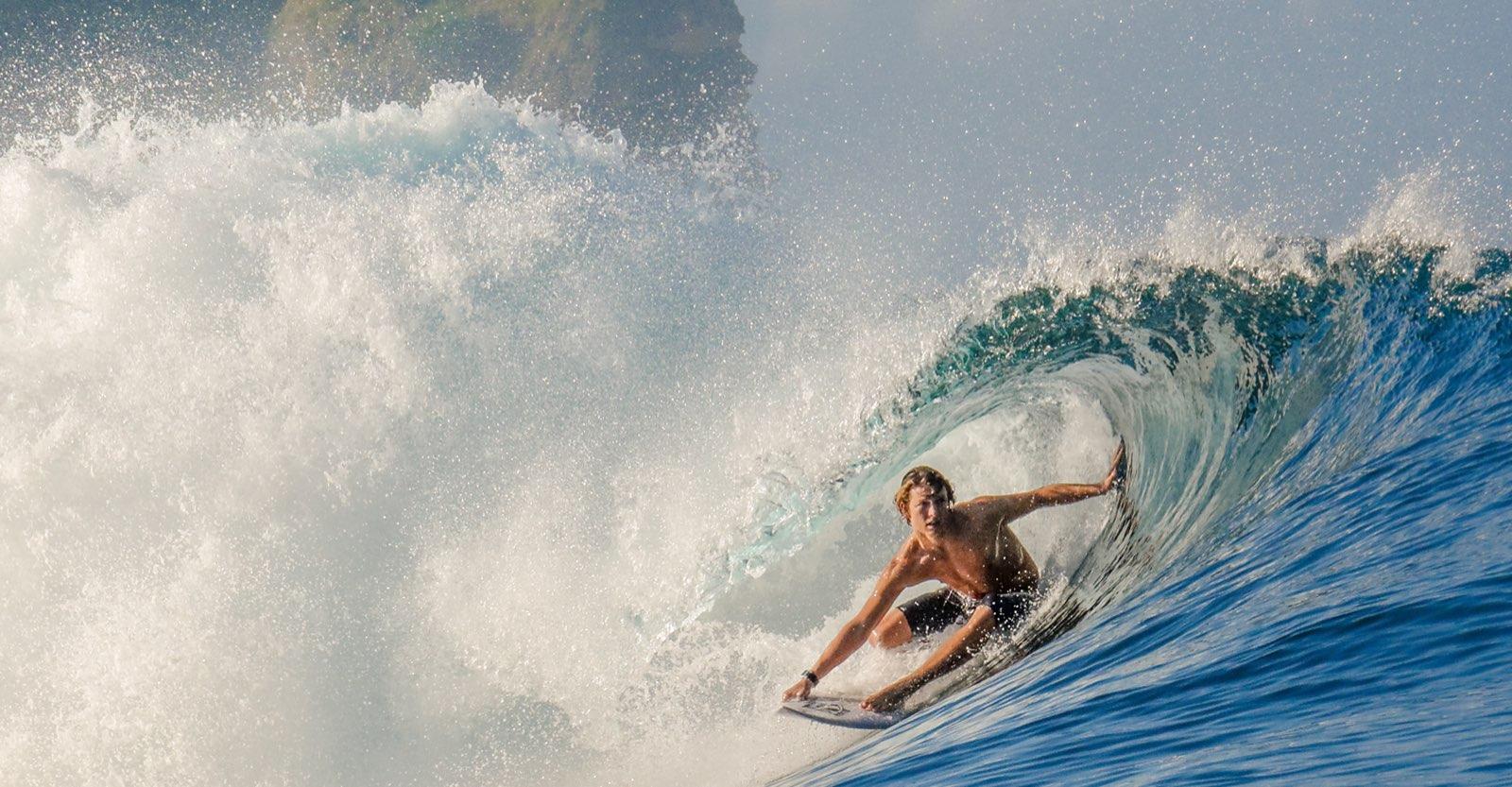
The Occy's Left Surf Escape
Ten nights at NIHI Sumba built around Occy's Left, one of Indonesia's most coveted reef breaks, from Marangga Estate directly above the wave: surf-team guidance, jet-ski support and Spa Safari recovery.
Digital Detox Retreat at Nihi Sumba
Seven device-free nights at NIHI Sumba, based in Mamole Treehouse above the Indian Ocean: horses in the surf, the Spa Safari at Nihioka, yoga, treks, waterfalls and Sumbanese culture.
Experiences Crafted by Zameera
A series of original experiences, conceived and curated entirely by Zameera. Coming soon.
Zameera Collection
What to Know About Sumba
The official language is Indonesian (Bahasa Indonesia), spoken alongside regional languages such as the local Sumbanese tongues. The currency is the Indonesian rupiah (IDR). Cards are widely accepted in Bali and at NIHI Sumba, though Sumba itself remains a largely cash economy, with limited ATMs outside the airport towns of Tambolaka and Waingapu; it is sensible to carry rupiah in small denominations for villages and markets.
Sumba and Bali both observe Central Indonesia Time (WITA), UTC+8. Indonesia does not operate daylight saving, so the time remains constant throughout the year.
The dry season, from roughly April to October, offers the most settled weather, with sunny days, lower humidity and daytime temperatures generally between 25 and 30°C. June to September is the most reliable window. The wetter months from November to March bring greener landscapes and dramatic waterfalls, with occasional heavy downpours.
Most visitors enter Indonesia on a visa on arrival or electronic visa on arrival, valid for 30 days and extendable once for a further 30. A passport with at least six months' validity and proof of onward or return travel are required, and a digital arrival declaration applies at the main airports. Exact requirements vary by nationality, and your Zameera team will confirm the current rules for your passport before you travel.
Travellers arrive into Bali's Ngurah Rai International Airport (DPS) at Denpasar, then connect by a short onward flight, around ninety minutes, to Tambolaka (TMC) on Sumba. From there it is roughly a ninety-minute drive to NIHI Sumba; the resort includes return airport transfers. Private plane and helicopter charters from Bali can also be arranged, and your Zameera team will coordinate the full itinerary.
Resort life on Sumba is relaxed and informal, with lightweight, breathable clothing suited to the tropical climate. When visiting villages, markets or places of worship, modest dress is appreciated, with shoulders and knees covered. Shoes are removed before entering homes and sacred spaces.
Indonesia, Through Our Eyes
For those who want to understand the destination before they arrive.
The Journal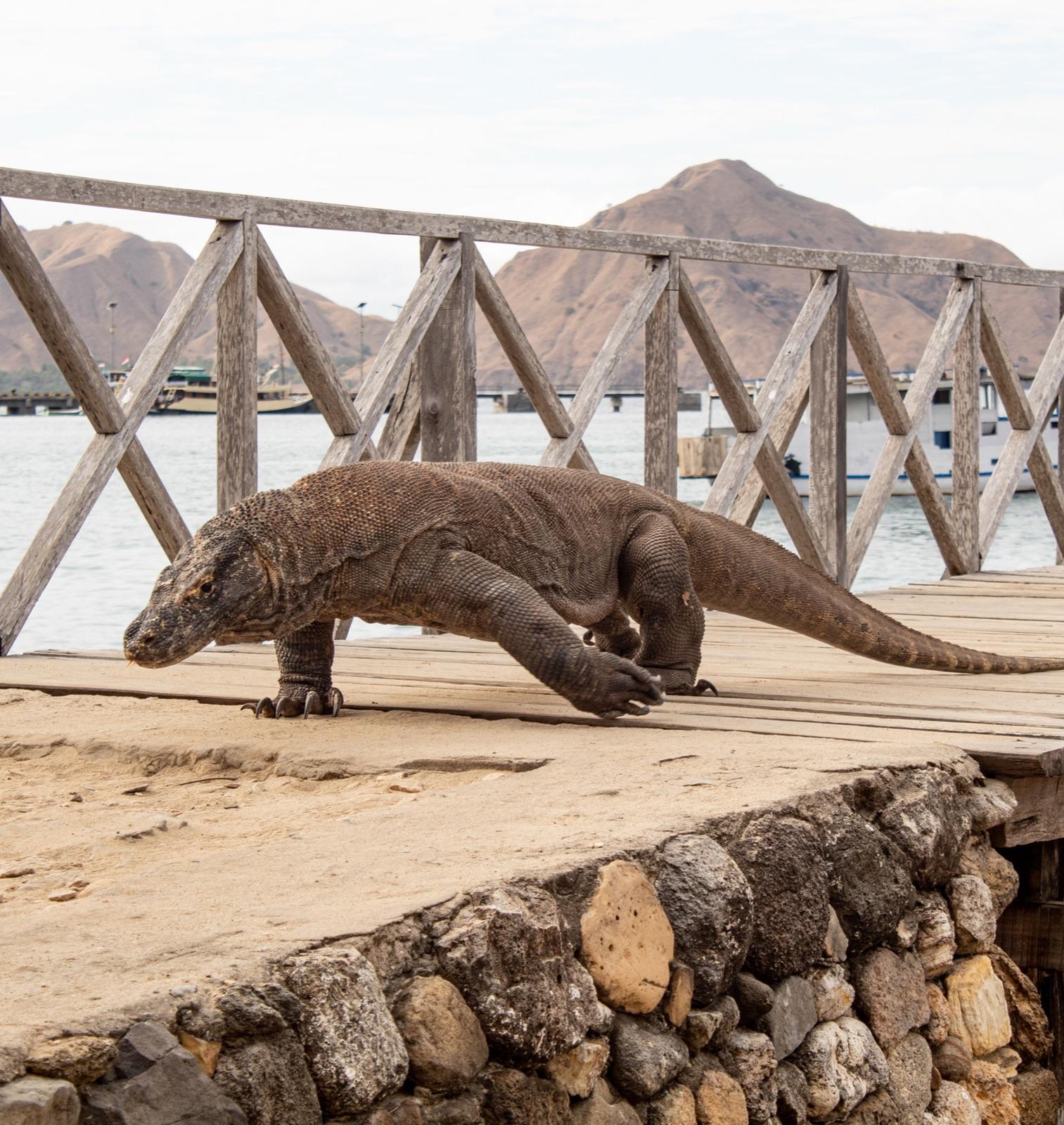
The Indonesia That Exists Beyond Bali
Bali is the beginning, not the destination. The islands surrounding it, Komodo, Sumba, Raja Ampat, Flores, contain some of the most extraordinary landscapes and marine environments on earth and receive a fraction of the visitors. We went to find out what lies beyond the obvious itinerary.
What the Finest Diving in the World Actually Looks Like
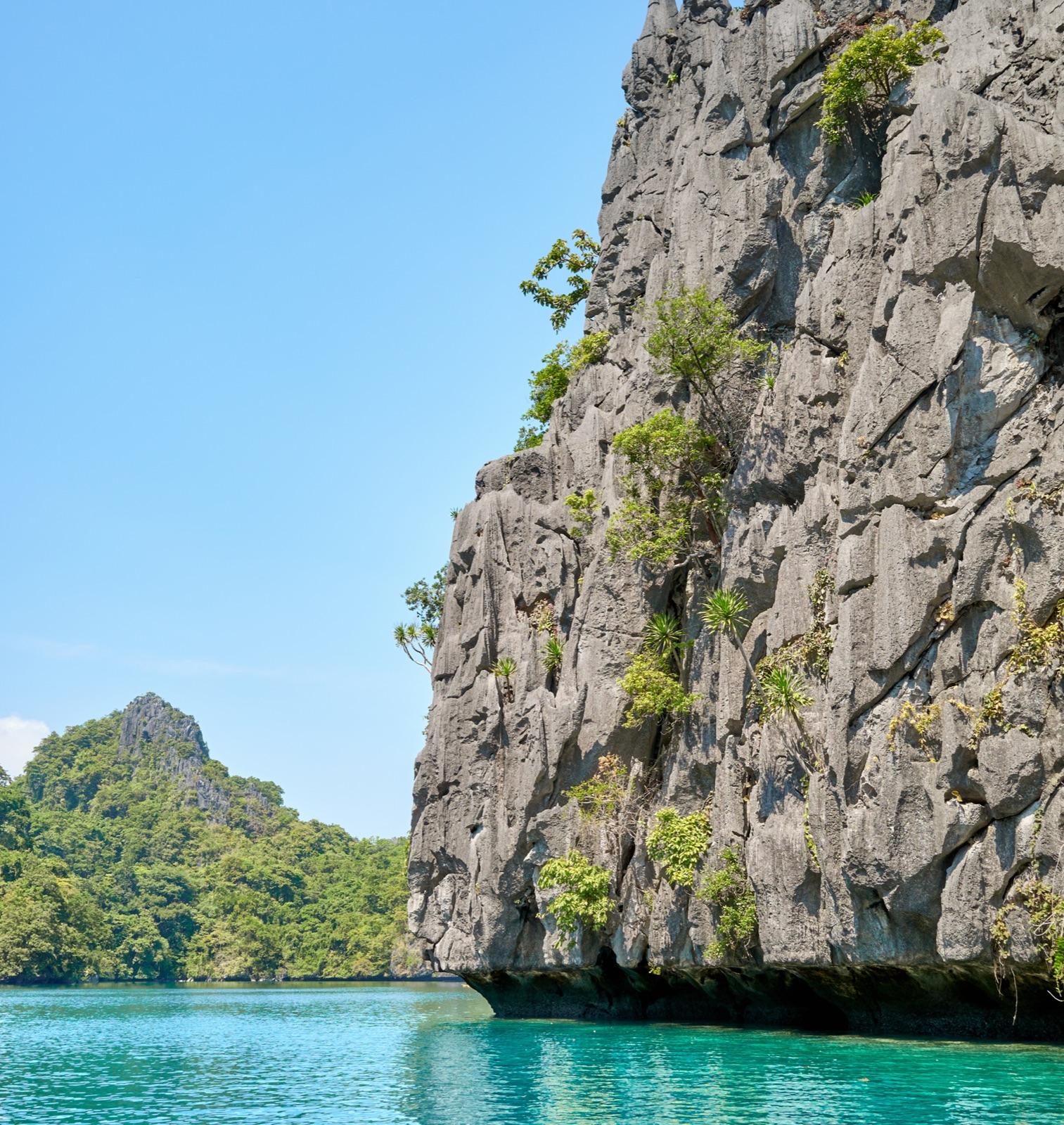
Raja Ampat in West Papua holds the highest recorded marine biodiversity on earth. More species of fish and coral have been identified here than anywhere else in the ocean. We went to understand what that means in practice, beneath the surface, on a calm morning when the visibility is perfect.