

Where the Greatest Wildlife Spectacle on Earth Still Happens Every Year
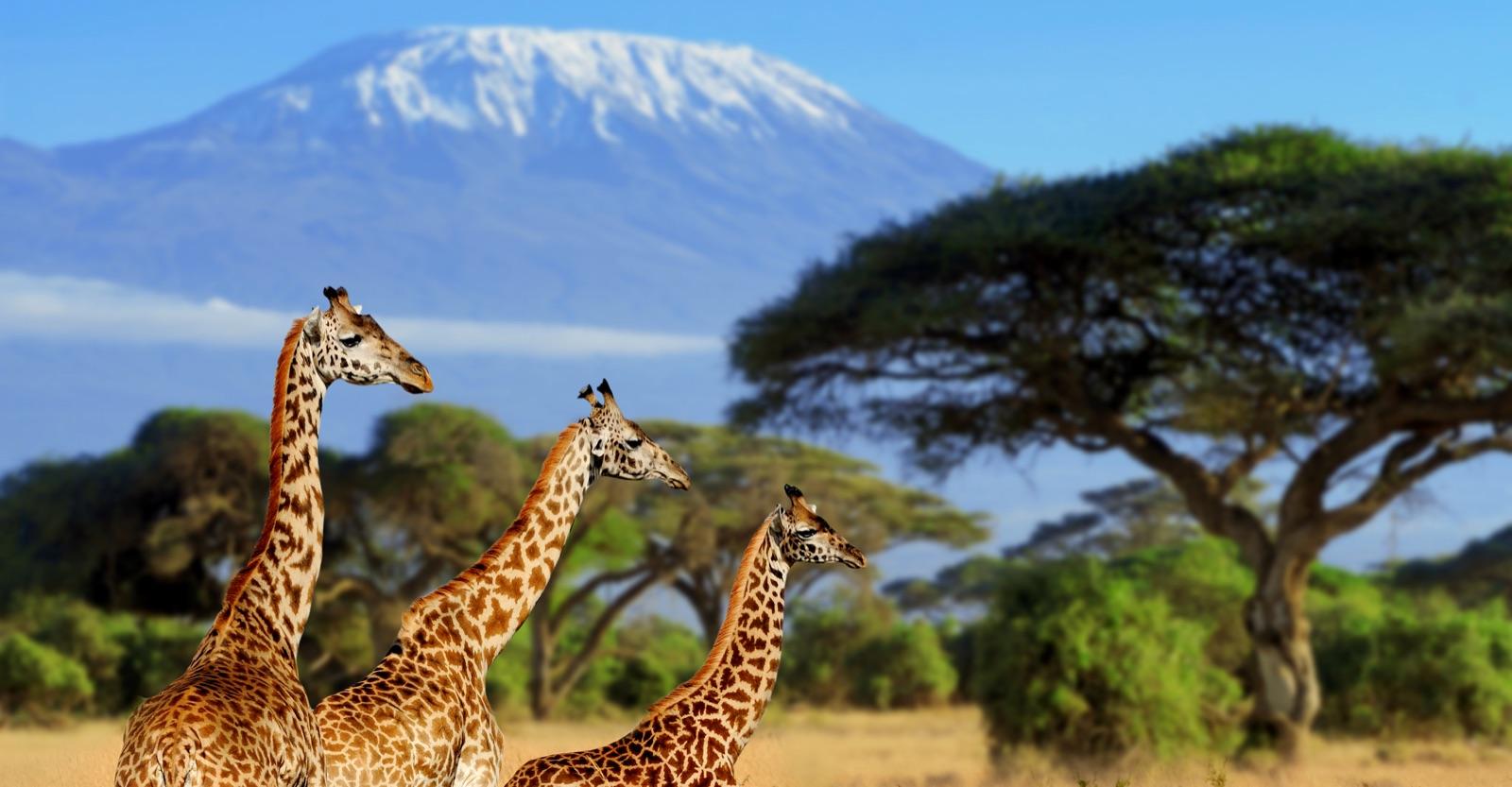
Kenya sits on the eastern edge of Africa, where the savannah stretches to every horizon and the natural world operates at a scale that makes everything else feel small. It is home to the Maasai Mara, one of the most significant wildlife ecosystems remaining on earth, and to a safari tradition that has defined how the world thinks about luxury travel in the wild for over a century.
Discover experiences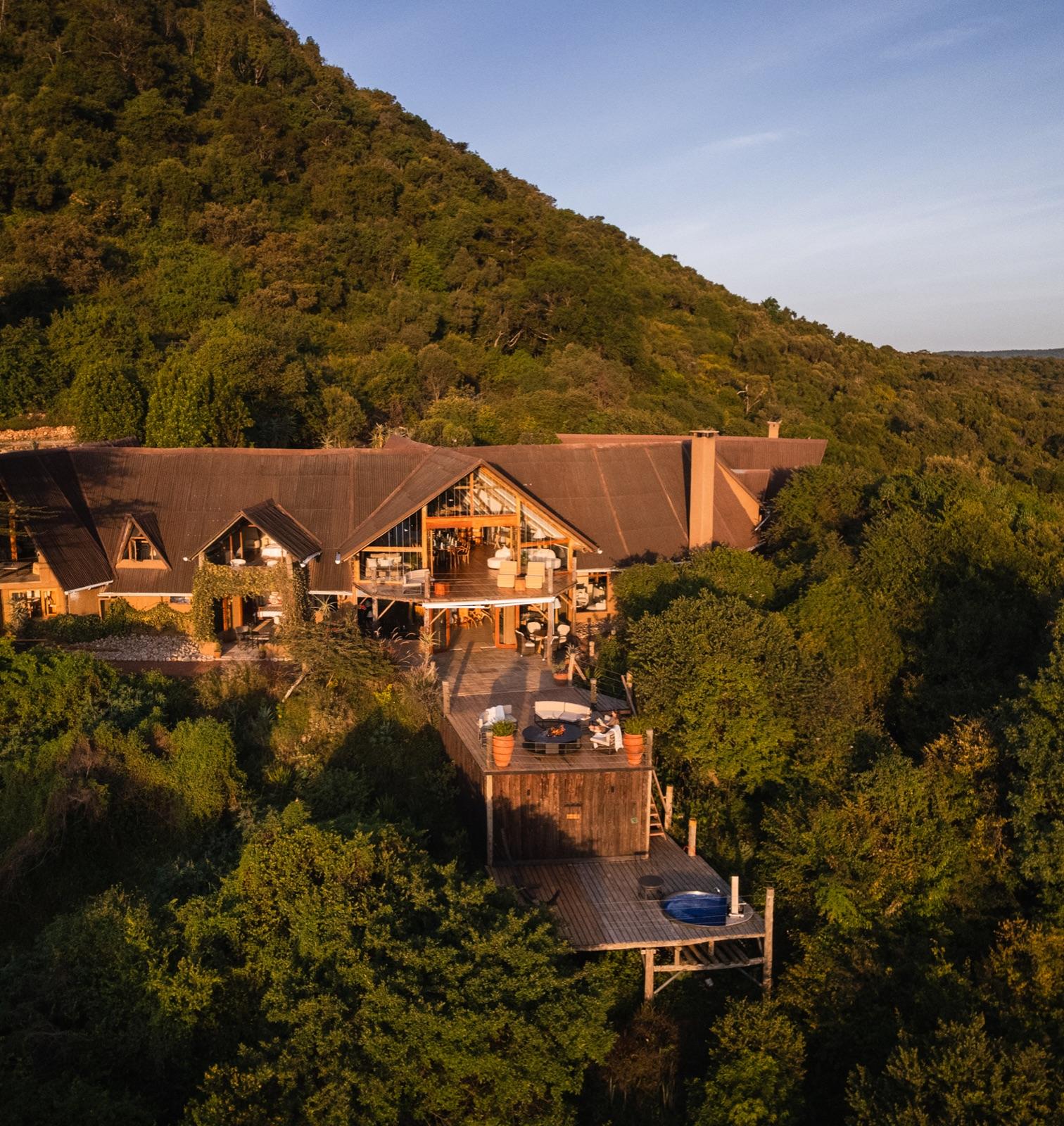
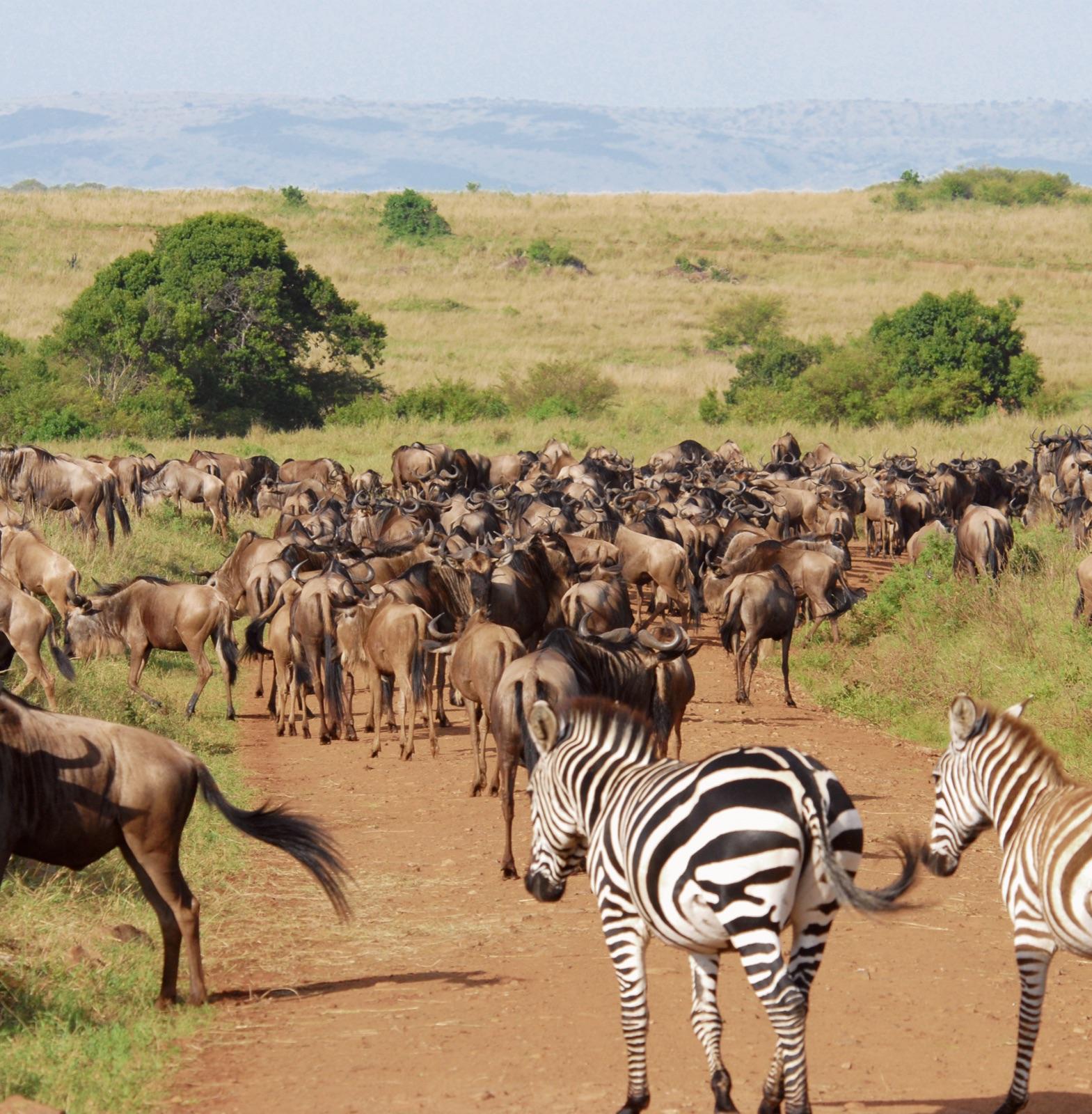
Where Two Million Animals Cross the Same River Every Year
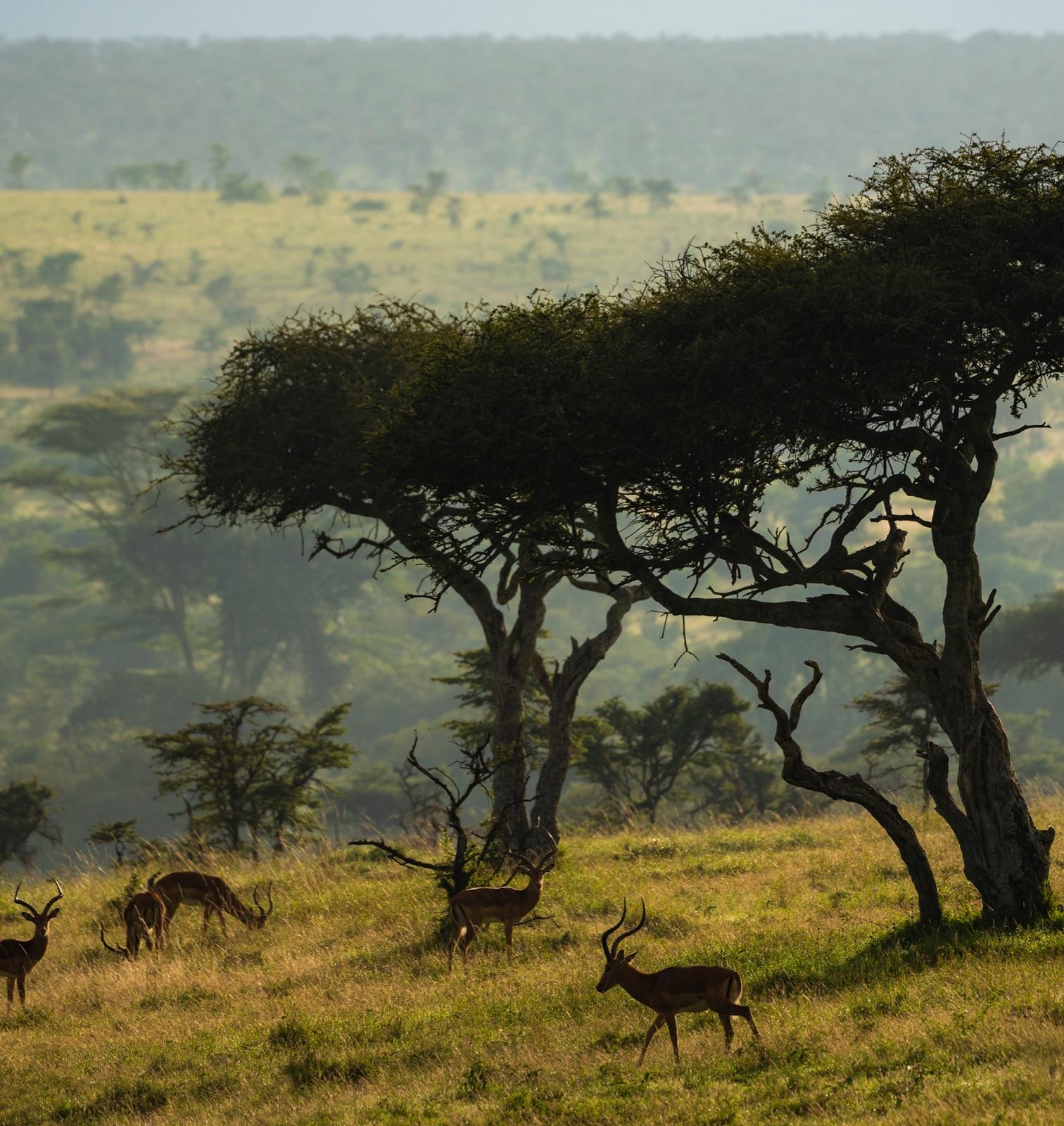
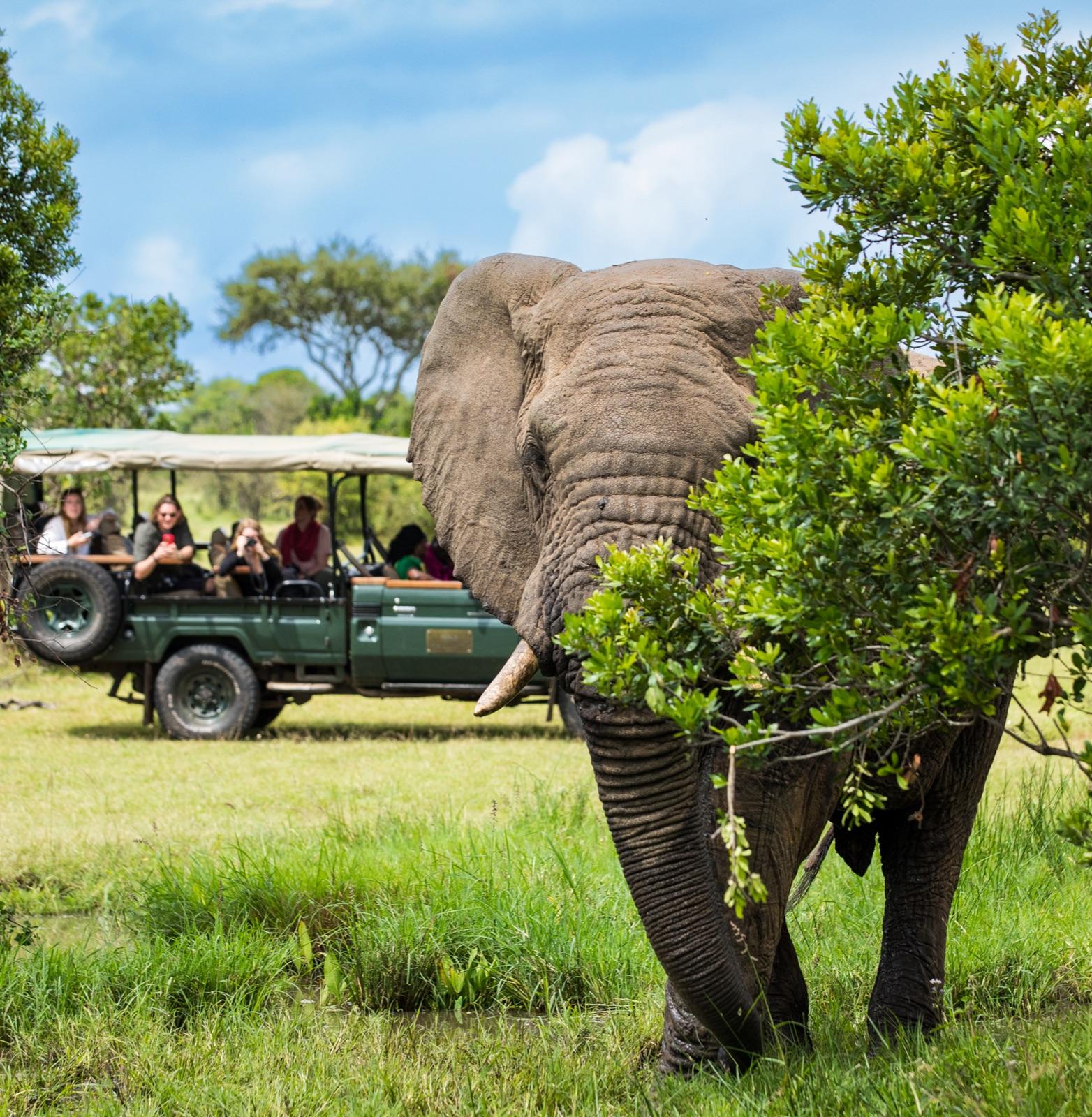
Kenya is one of the few places where nature still feels completely in charge. In the Maasai Mara, more than two million wildebeest and zebra move through the ecosystem during the great migration, crossing the Mara River between July and October in one of the largest movements of land mammals on earth. Lions hunt at dawn. Elephants move through the acacia in the late afternoon, sometimes in herds that take minutes to pass. Leopards rest high in the trees, often unseen until a guide knows exactly where to look.
The landscape changes across Kenya in ways that one safari cannot fully capture. The Maasai Mara in the southwest is the classic savannah, with open grassland, wide skies and the Mara River running through it. Amboseli sits beneath Kilimanjaro, where elephants move across the plains against one of Africa's most recognisable backdrops. Laikipia, in the central highlands, offers private conservancy land, fewer vehicles and a more intimate way to experience wildlife. On the coast, Lamu brings another side of Kenya entirely, with Swahili architecture, Arab influence, narrow streets and the calm of the Indian Ocean.
The finest camps in Kenya are among the best places to stay anywhere in the world. They are built with a light touch, positioned around the landscape rather than over it, and guided by people who have spent years learning a specific piece of land. That knowledge changes everything. It is the difference between looking for wildlife and beginning to understand what is happening around you.
Extraordinary Experiences Available on Request
Some of the most remarkable experiences we offer cannot be booked instantly, by their nature, they require a private conversation.
Discover experiences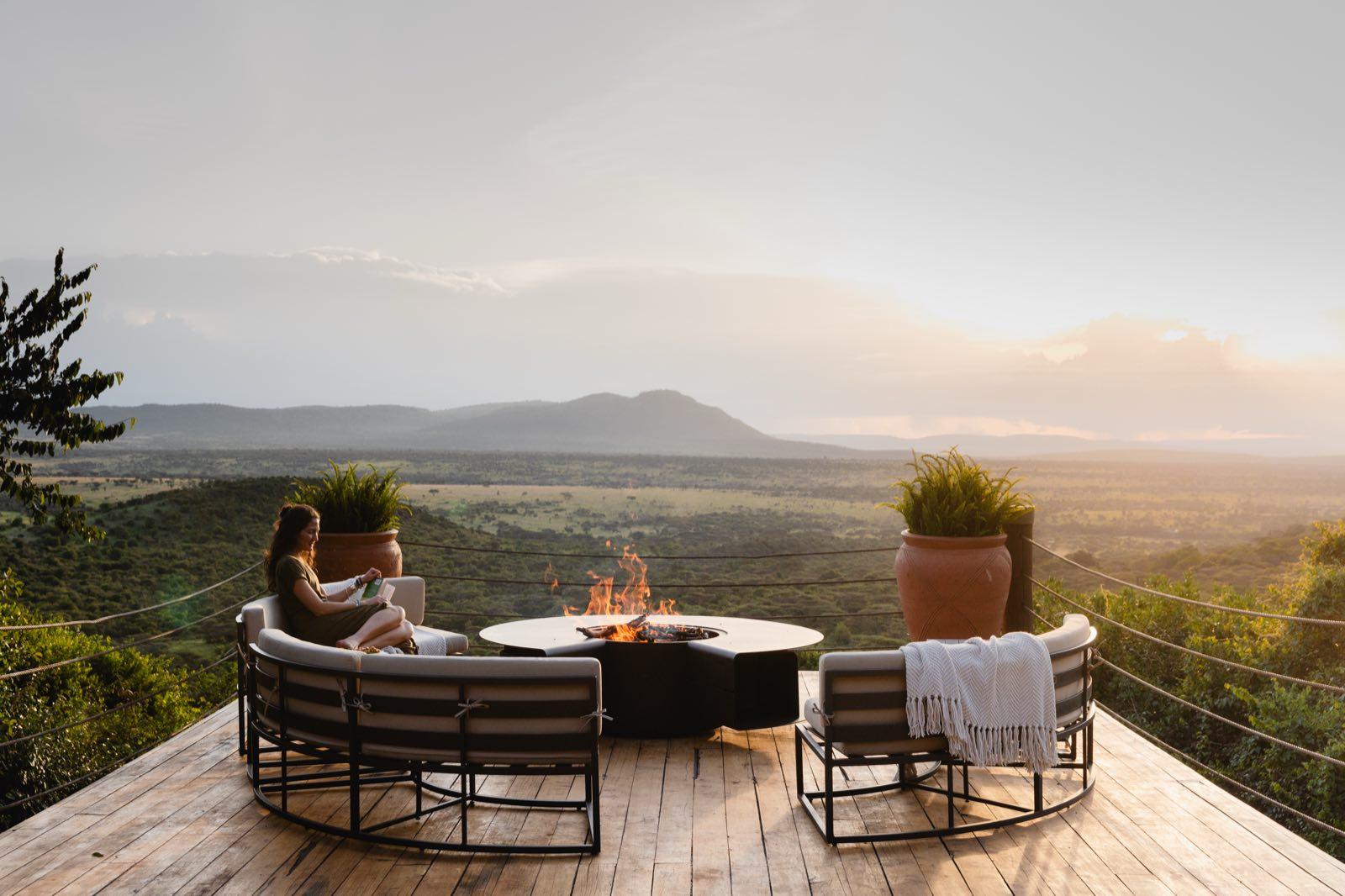
A Century of Safari in the Maasai Mara
Ten nights at Cottar's Bush Villa with one dedicated guide throughout: game drives, a balloon flight, a Mara Elephant Project helicopter flight, time with Maasai guides, photography and foraging.
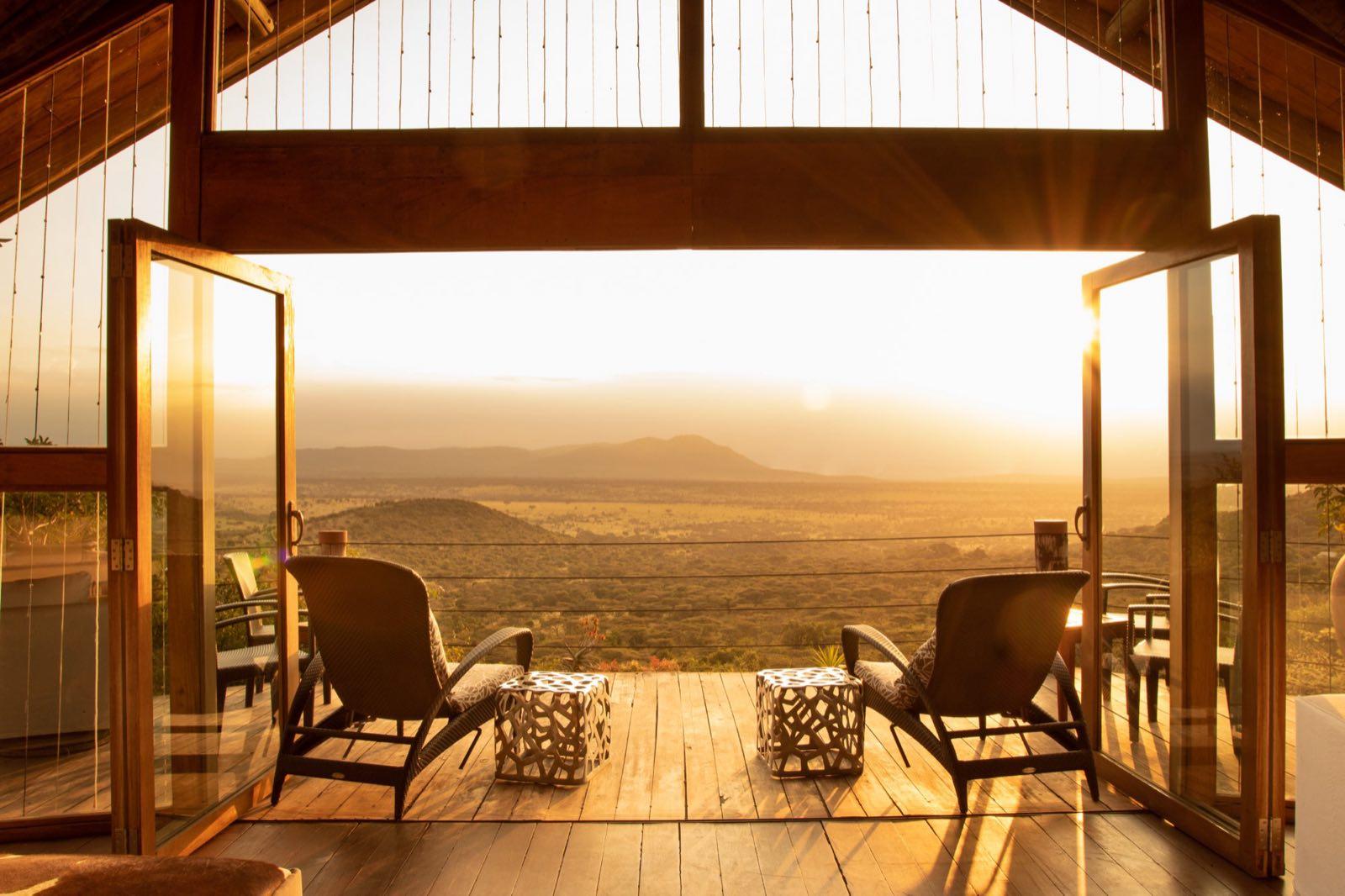
A Private Villa in the Olderkesi Conservancy
Five nights in an exclusive-use private Mara villa: five en-suite bedrooms, a 25-metre pool, private chef and dedicated guide, with a sunrise balloon flight and a Mara Elephant Project helicopter flight.
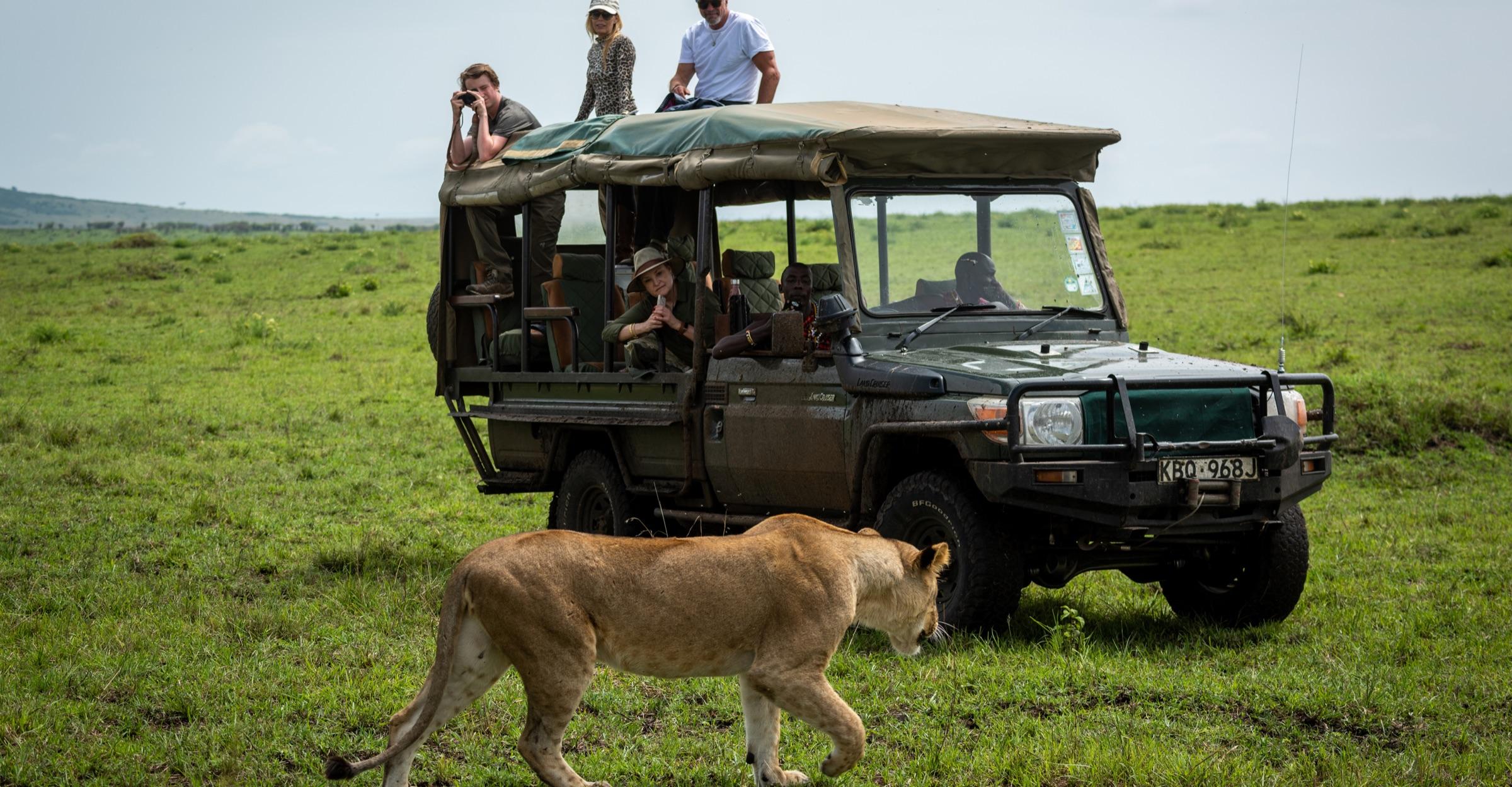
A Classic Safari Camp in the Maasai Mara
Five nights at Cottar's 1920s Camp on the Olderkesi Conservancy, with a private vehicle and guide, night drives, a walking safari and time in the field with Maasai warriors.
Experiences Crafted by Zameera
A series of original experiences, conceived and curated entirely by Zameera. Coming soon.
Zameera Collection
What to Know About Kenya
English and Swahili are the official languages, and English is spoken throughout the safari trade. The currency is the Kenyan shilling (KES). Lodges and camps generally accept major cards, though connectivity in the bush can be intermittent, so it is sensible to carry some cash; clean US dollar notes from the 2009 series or later are widely accepted for tipping and incidentals.
Kenya runs on East Africa Time (EAT), three hours ahead of GMT. The country does not observe daylight saving, so the time difference holds steady throughout the year.
The long dry season from June to October offers the finest game viewing, as thinning vegetation draws wildlife to the rivers and waterholes. This window also coincides with the Great Migration in the Maasai Mara, typically at its most dramatic between July and October. The quieter months of January to March bring mild, dry conditions and fewer visitors.
All visitors require an approved Electronic Travel Authorisation (eTA), obtained online before departure; Kenya no longer issues visas on arrival. A passport with at least six months' validity is required, and approval generally takes a few days. Exemptions and precise conditions vary by nationality, and your Zameera team will confirm the requirements for your passport ahead of travel.
International flights arrive at Jomo Kenyatta International Airport in Nairobi. From there, the journey to the Maasai Mara continues by light aircraft from Wilson Airport to one of the reserve's bush airstrips, a flight of roughly forty-five minutes to an hour. These connections and the soft-bag baggage limits they carry are arranged by your Zameera team.
Safari dress is relaxed and practical, in neutral tones such as khaki, olive, beige and stone that sit quietly against the landscape. Bright whites and reds, along with dark blue and black, are best avoided. Layering is advised, as mornings and evenings on the plains are cool while the days turn warm.
Kenya, Through Our Eyes
For those who want to understand the destination before they arrive.
The Journal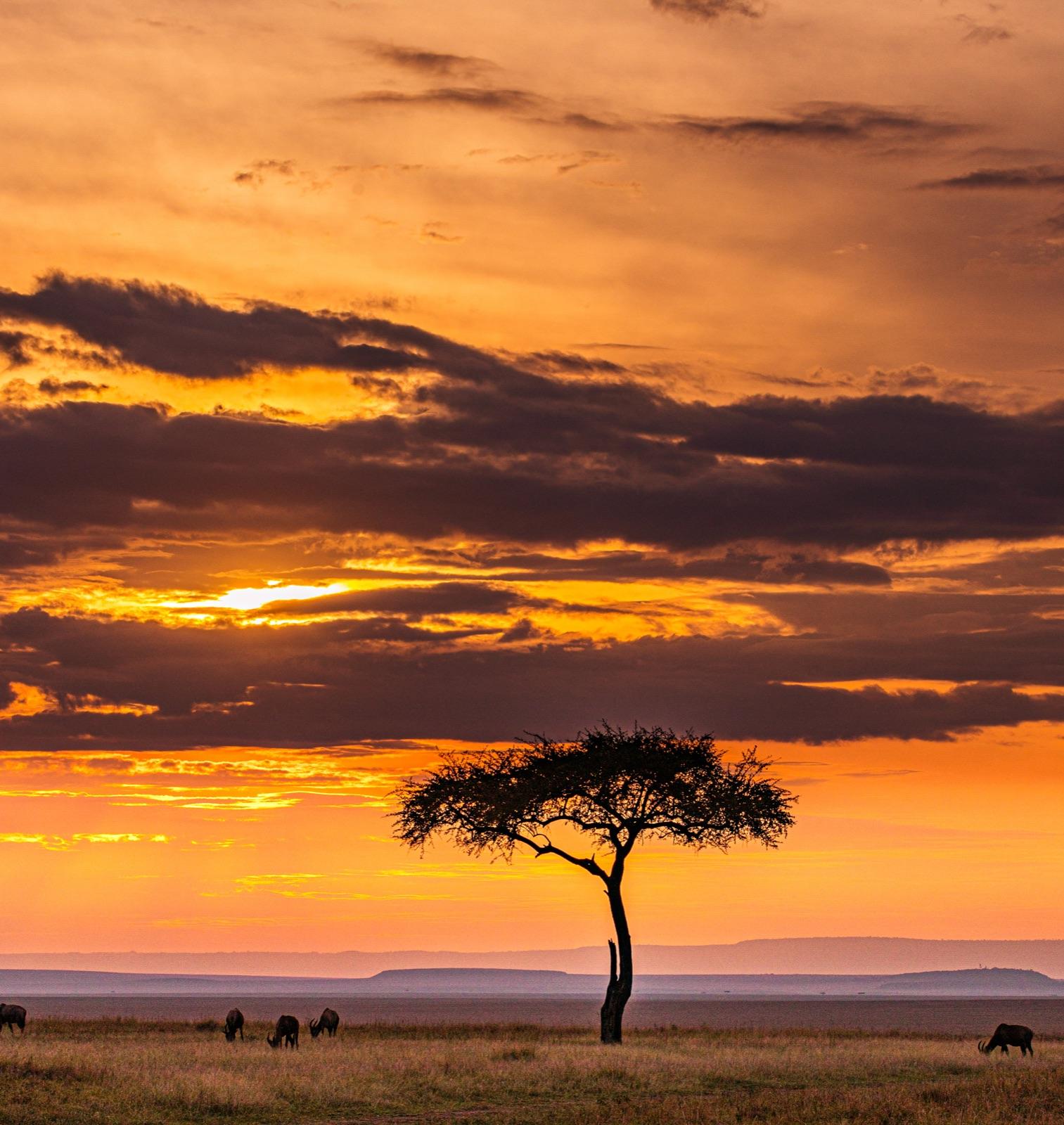
The Maasai Mara at Dawn, Before Anyone Else Is Awake
The best hour in the Mara is the one before sunrise, when the light is low and directional and the animals are moving. We went out before dawn every morning for five days. This is what we found.
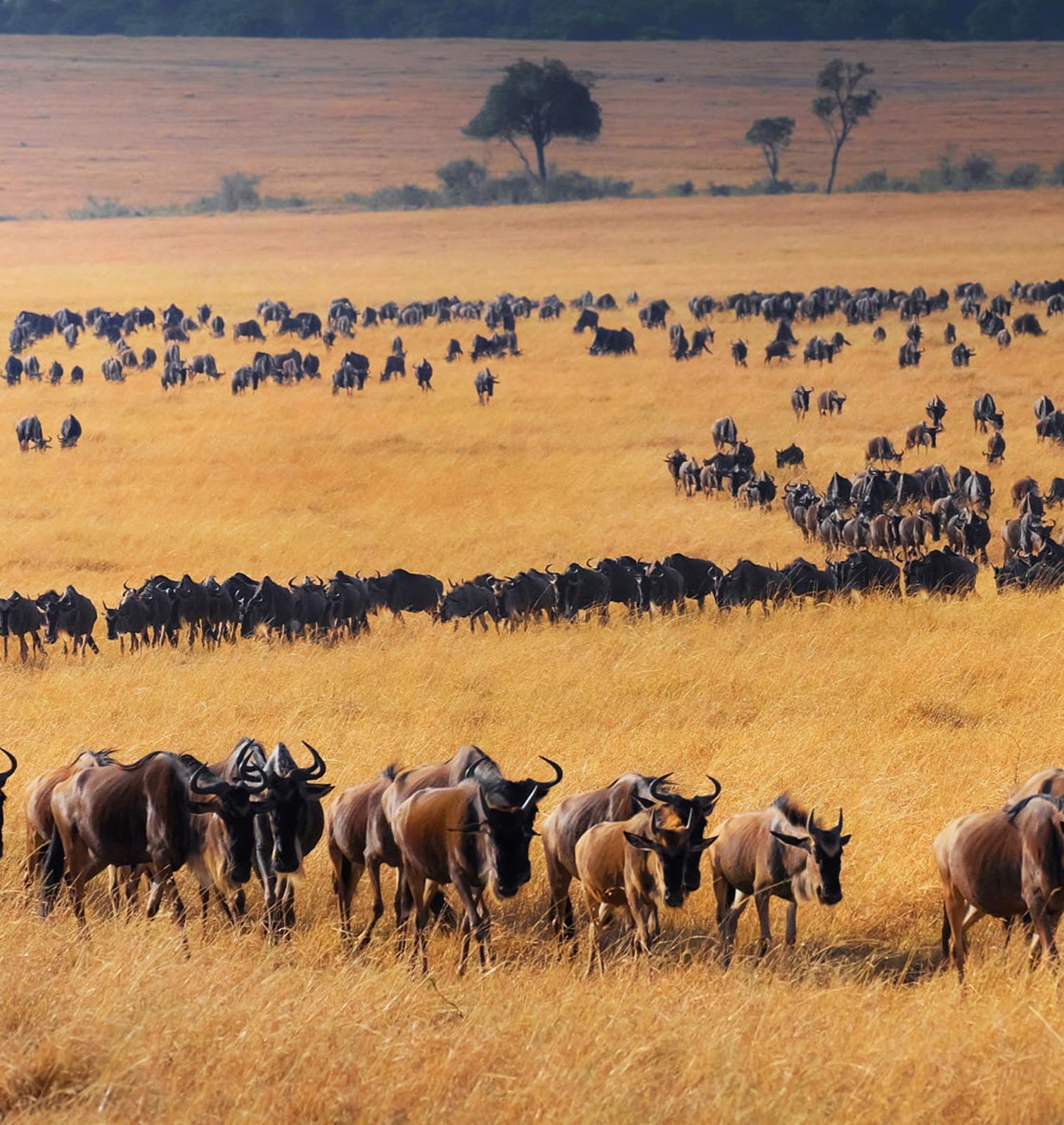
Why the Great Migration Is Unlike Anything Else on Earth
Two million wildebeest and zebra crossing the same river in the same direction at the same time of year, every year, without fail. The scale of it does not resolve into something comprehensible until you are standing beside the Mara River watching it happen. This is our attempt to describe what that is like.